
Edge · engineering
Machine signals, kept in the plant.CNC, presses, and old machines on one gateway.
eManage IIoT Edge AI reads engineering machines inside the plant, connects old and new machines alike, and keeps up to 72 hours of data so OEE and job card figures survive internet outages.
Stops
Live
Stop signals on site
Offline
72 h offline
Data kept if internet drops
Machines
Old & new
Even without a network port
Internet
90–98% less
Summaries sent, not raw
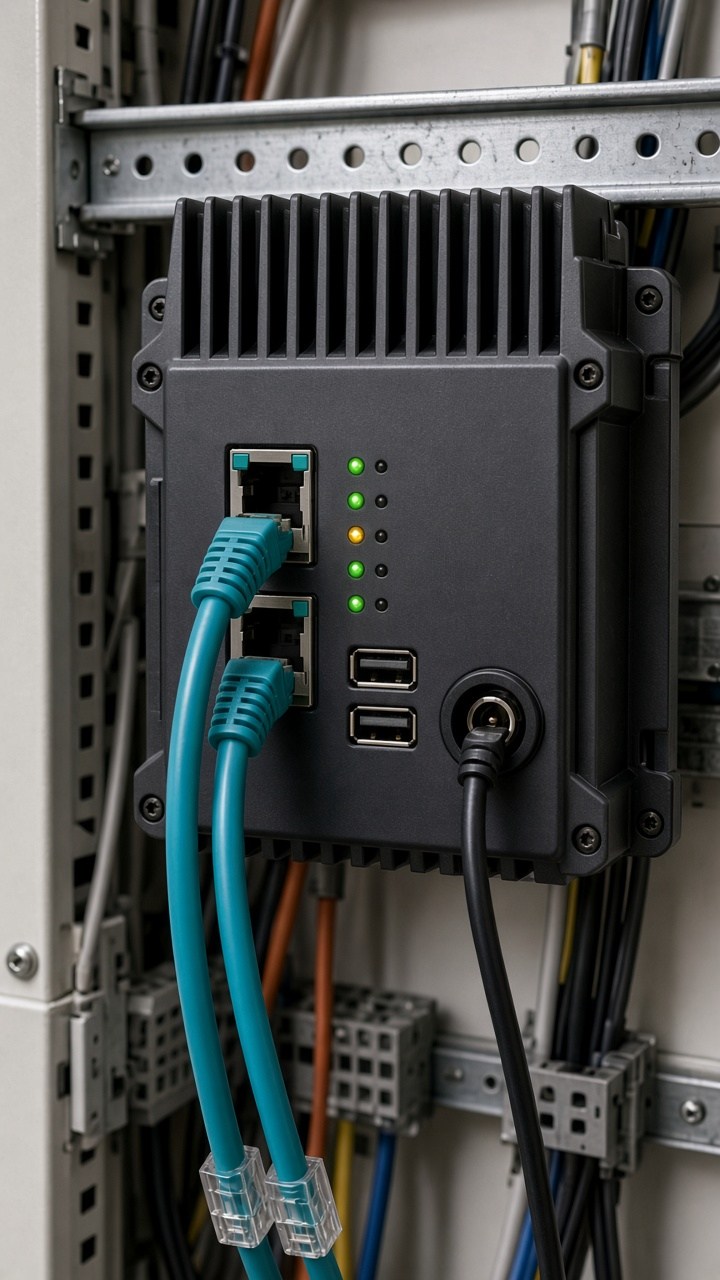
The problem
Half the shop has no network port.
New CNCs can share their data. Older presses, headers, and lathes cannot. A cloud-only dashboard goes dark when the internet link drops.
Legacy
Machines with no port
Older presses and headers never had a network port.
Mixed
Every OEM its own screen
Controller brands never share one shop-floor view.
Internet down
Blind shop
Cloud-only stacks go dark the moment the internet drops.
On the box
Four monitoring lines. One edge write-back.
Same gateway, same 72-hour buffer. Knit cells, looms, sewing lines, and machining centres each have their own console on the same edge path.
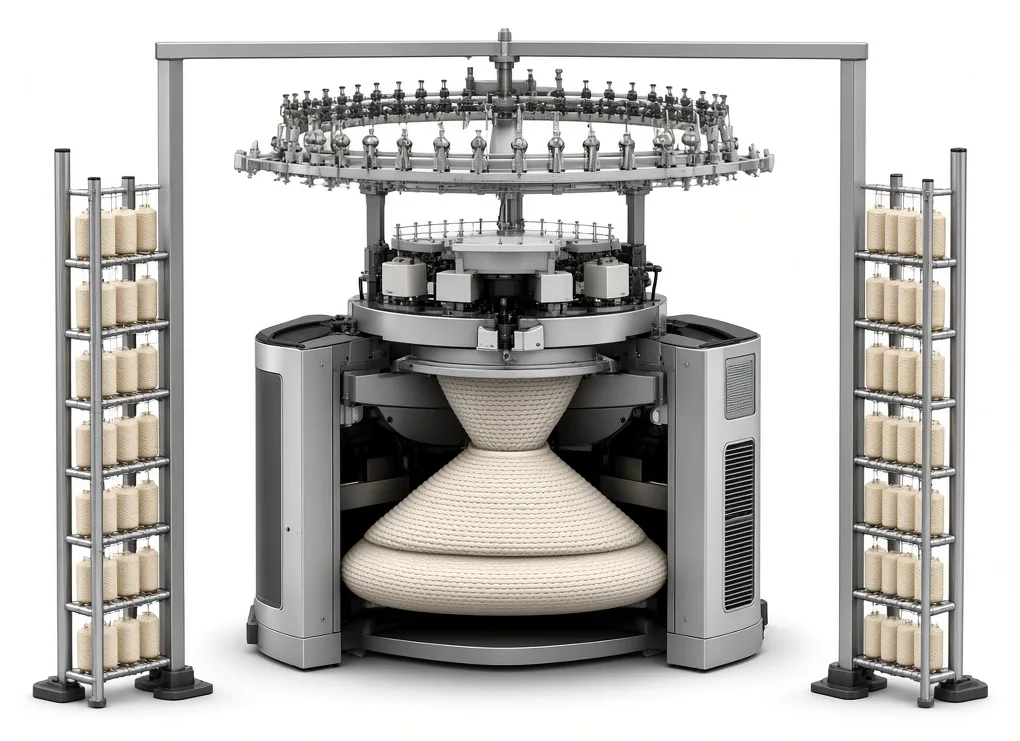
Circular & flat knit
Knitting Monitoring AI
Speed, yarn breaks and stop reasons from every circular or flat knitting machine reach the live job card as they happen. No clipboard at shift end.
- Yarn-break and needle-line stops
- Speed against the job ticket
- Keeps data if the internet drops
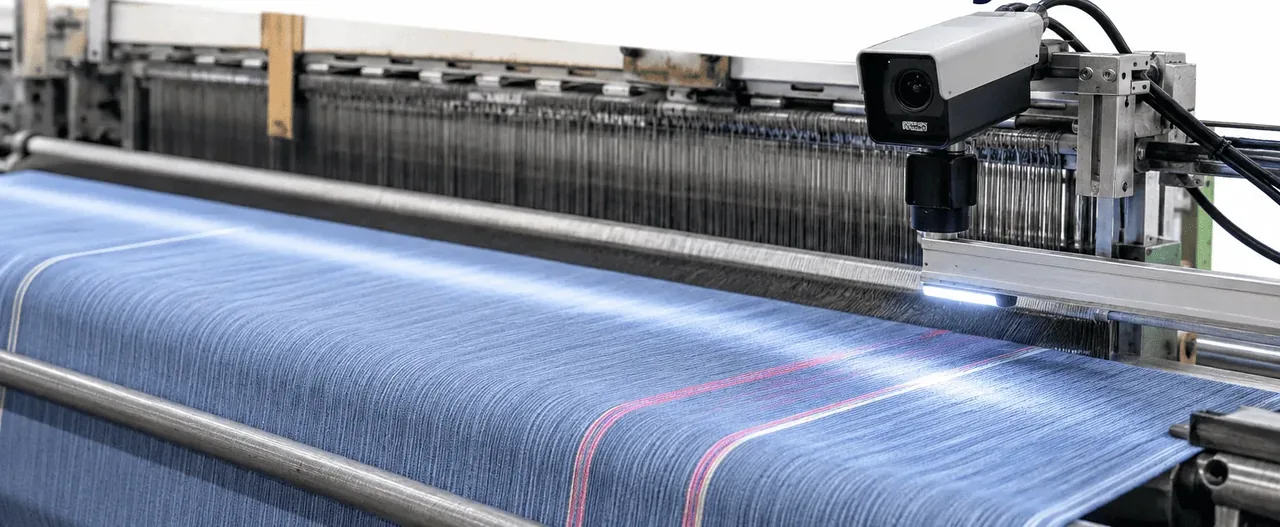
Looms & weaving sheds
Weaving Monitoring AI
Every loom's counter and stops are read live. Opening and closing readings, net metres and weaver averages fill the Day and Night shift report, with no walk round the shed with a pen.
- Net metres and kg per loom, per shift
- Warp, weft, beam, and fitter stops with minutes
- Production, finishing, and fabric stock in the ERP
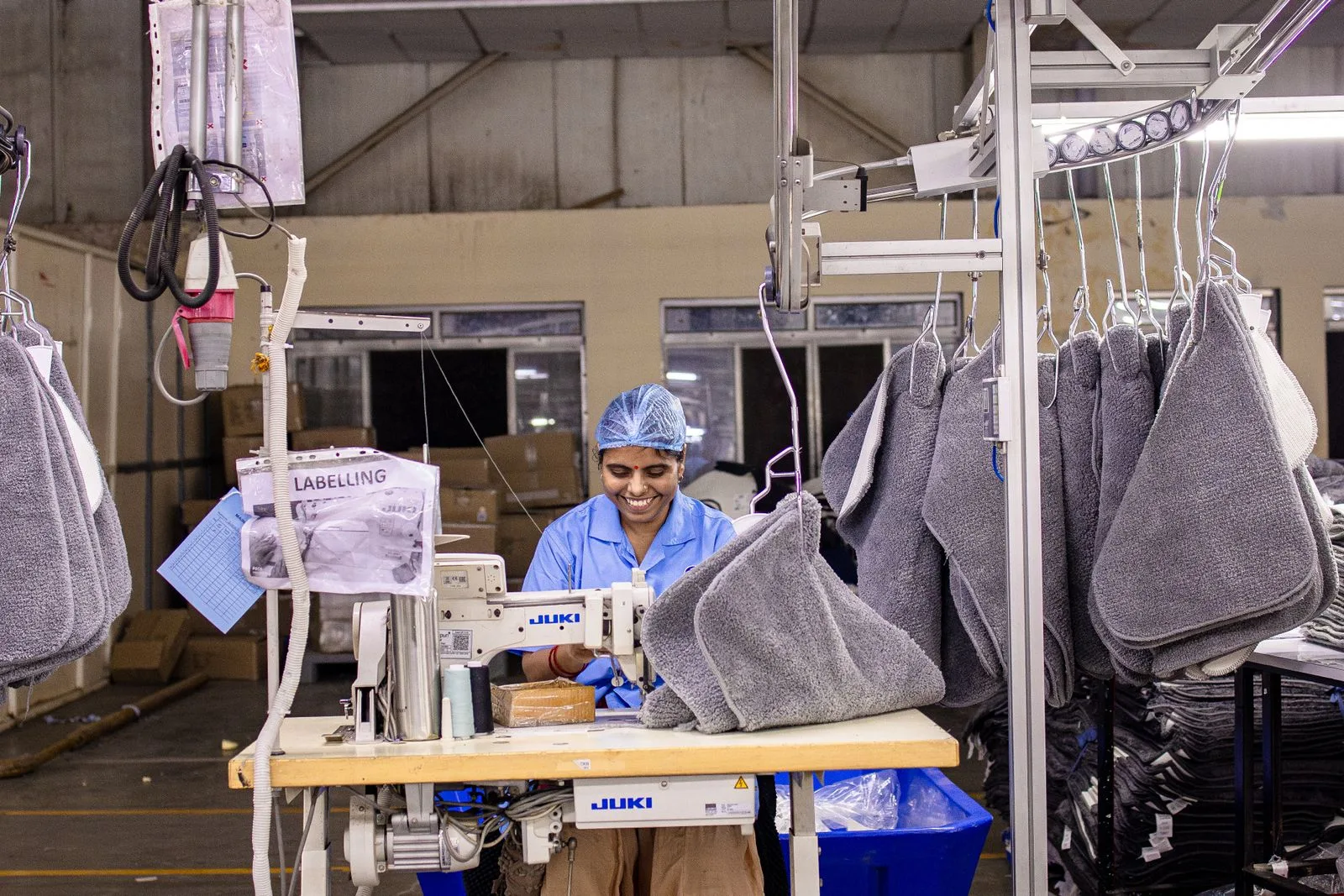
Garment sewing lines
Sewing Monitoring AI
Servo-motor taps and clamp-on sensors stream SPM, needle time, and idle reasons from every station. The hour-by-hour board and the bundle card update while the style is still on the line.
- SPM and needle time per station
- Bottleneck and WIP flagged live
- Piece-rate and DHU on the bundle card
Machining centres
VMC / HMC / CNC Monitoring AI
Cycle time, axis load, idle, and spindle hours sync to the same job card as the rest of the plant. Device tiles, gauges, and last-known values share one shop console.
- Cycle, idle, and micro-stops
- Tool-load and spindle hours
- Job-card write-back, not a second HMI
How it connects
What runs at each hop.
Data moves in steps from the machine to the head-office ERP. The gateway links each step on site.
Plant
Gateway to plant and cloud
Carries spindle speed, picks and power over an encrypted link. Fast enough to stop a machine.
Machines
Machine to gateway
Works with machines such as Rieter, Picanol, Murata and Toyota. Readings are encrypted and checked.
Older
Older machines & meters
Connects older spinning and carding machines and energy meters. Runs on a separate network, isolated from the office.
ERP
ERP & report sync
Hourly totals, tickets and inventory post to eManage in batches. This link does not control machines.
How it works
Four moves.One write-back.
- 01
Sense.
Controller data, power sensors, and stroke counts, including machines that never had a port.
- 02
Sum up in the plant.
Averages, alarms, and OEE are worked out locally. 90-98% of raw data never leaves the plant.
- 03
Act.
Machine stops and operator lights fire from the box, not from the internet.
- 04
Forward.
When the internet returns, alarms and summary figures go first and the rest follows. The job card catches up.
Four-tier edge
Where the millisecond lives
T1
Machine
Sensors and the machine's own controller.
T2
Plant box
Reads every machine live. Keeps 72 hours if the internet drops.
T3
Plant
Shed screens, line totals, local alarms.
T4
ERP
Totals post to eManage ERP; details follow.
Inside eManage ERP
The same numbers payroll uses.
Run time and stop reasons land on the eManage job card. OEE and piece-rate come from one record.
- New CNCs and old presses in one view
- 72 hours of backup so a cable cut does not erase the shift
- Kept on its own machine network, apart from office computers
Four tiers
Tier 1 — machine
Sensors on the frame for spindle speed, loom picks and warp tension. Standard industrial sensor wiring.
Tier 2 — cell gateway
Rugged gateway per department that keeps 72 hours of data.
Tier 3 — plant
A server in the plant for yarn-break prediction, shed OEE and the operator screen.
Tier 4 — ERP / HO
eManage sync, multi-plant totals and long-term machine data storage.
Questions plantsactually ask.
Yes. A small box connects them, so old and new machines show on the same screens.
Local alarms and checks keep running. The box keeps up to 72 hours of data, and alarms go first when the internet returns.
Speed and cost. Machine stops must act at once, and the box turns raw readings into machine averages and OEE first.
Physical locks, a separate machine network, disabled USB ports, encrypted storage, and encrypted links checked for each device.
What could your plantrun better?
eManage IIoT Edge AI reads engineering machines inside the plant, connects old and new machines alike, and keeps up to 72 hours of data so OEE and job card figures survive internet outages.
Map your machine list →Next