● Edge · knit cell
Knit cells, live on the job card.RPM, stops, and defects from the same edge path.
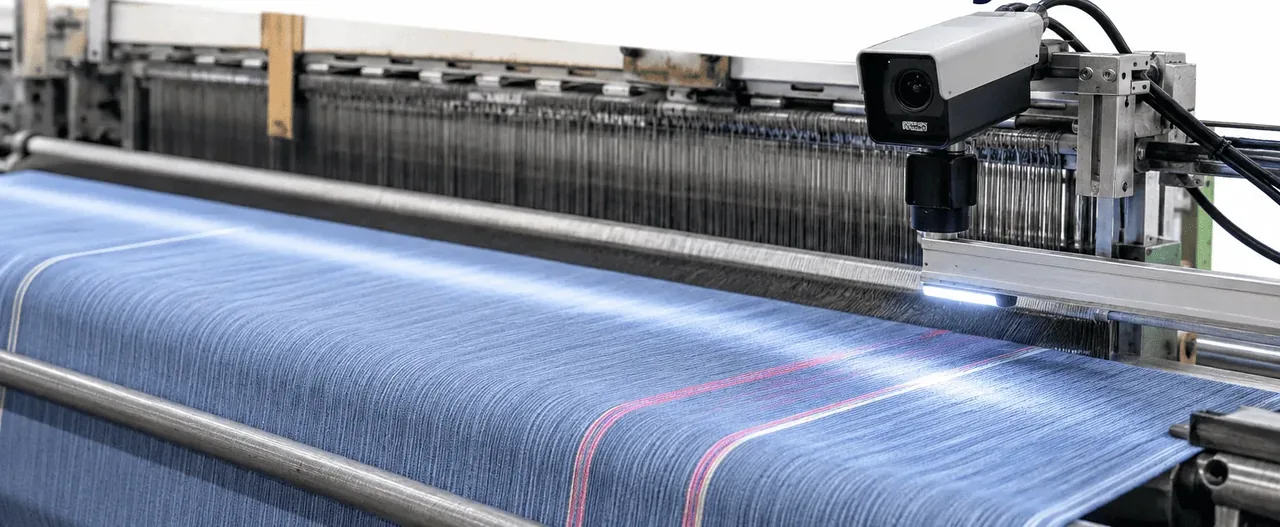
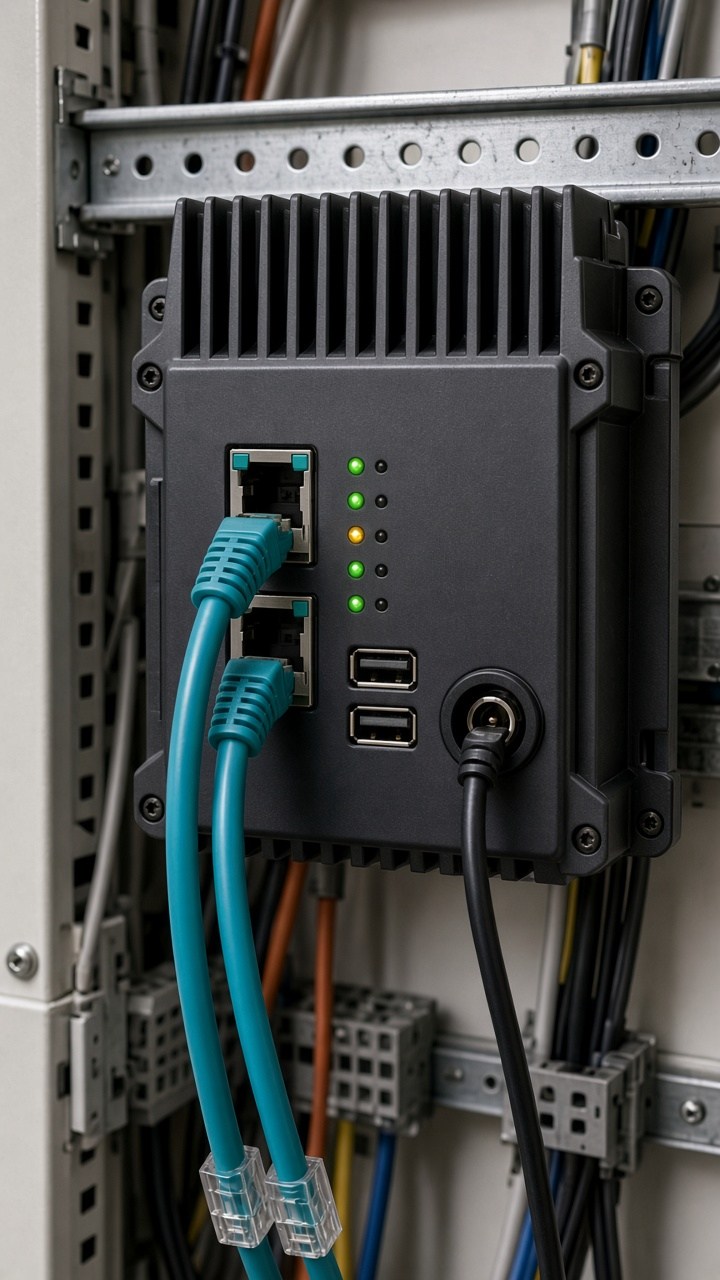
eManage Knitting Monitoring AI reads circular and flat knit cells through the plant edge gateway. RPM, run/stop, fabric type, and defect counts land on the live job card with a 72-hour store-and-forward buffer if WAN dies.
Loop
<50 ms
Stop & yarn-break
Cells
16–200
Circular or flat
Buffer
72 h
WAN-down history
ERP
Job card
Kg, RPM, defects
eManage AI · Knitting Monitoring
NLTD · Knit shed A
Northloom Textiles · Knit shed A
NLTD · 20–21 Sep 2026 · Shift A
My machines
Circular knit cells · RPM from the edge box
15 cells · 10 running · 5 stopped
Selected PZ01 · M-1 (PS1) · S/J openwidth · Running
FLOOR · QUALITY · SHIFT
The problem
The knit cell already knows. The office still waits for the logbook.
RPM is on the panel. Yarn-breaks are on the floor. Inspection defects sit in a separate QC sheet. Payroll, OEE, and the buyer roll map argue because they never shared a clock.
Shift-end
Clipboard OEE
Supervisors type run hours after the roll is already in finishing.
Split
QC is another book
Stoppage defects and inspection defects never sit on the same machine row.
Blind
WAN drop blanks the mill
Cloud-only knit dashboards go dark the moment the fibre link drops.
How it works
Four moves.
One write-back.
01
Listen on the cell
Pick pulses, inverter RPM, and stop reasons from the circular-knit or flat-knit controller — including older serial frames.
02
Score on the edge
Run/stop, micro-stops, and defect counters stay on the LAN. Relays still fire if the internet is dead.
03
Show the shed
Floor tiles, quality tables, and shift command share one Northloom-style console — not three vendor HMIs.
04
Write the card
Kg, RPM, fabric, and defect counts post to the eManage job card. Piece-rate and OEE stop arguing.
The same numbers finishing and payroll already use
Each cell is a machine in eManage. Fabric type, material, and roll kg are not a second knit-MES — they are the job card.
- Circular and flat knit mixed in one model — Mayer & Cie, Fukuhara, Terrot, local frames
- Stoppage defects and inspection defects on the same row
- 72-hour circular buffer so a fibre cut does not erase the shift
Questions plants actually ask
No. The controller stays. We read RPM, run/stop, and counters through the edge gateway and write the job card. Operators still start and stop the cell from the machine.
Yes. Cells are machines in eManage. Fabric type and diameter sit on the card; the floor tiles and quality table do not care which vendor built the cylinder.
The edge box keeps the loop. A 24–72 hour circular buffer holds run/stop and defect counters. On reconnect, alarms sync first, then history.
Vendor screens stay on that brand. Knitting Monitoring AI is the plant view: mixed frames, QC defects, and payroll kg on the same eManage card.
Next